Updated October 2026
Quick answer
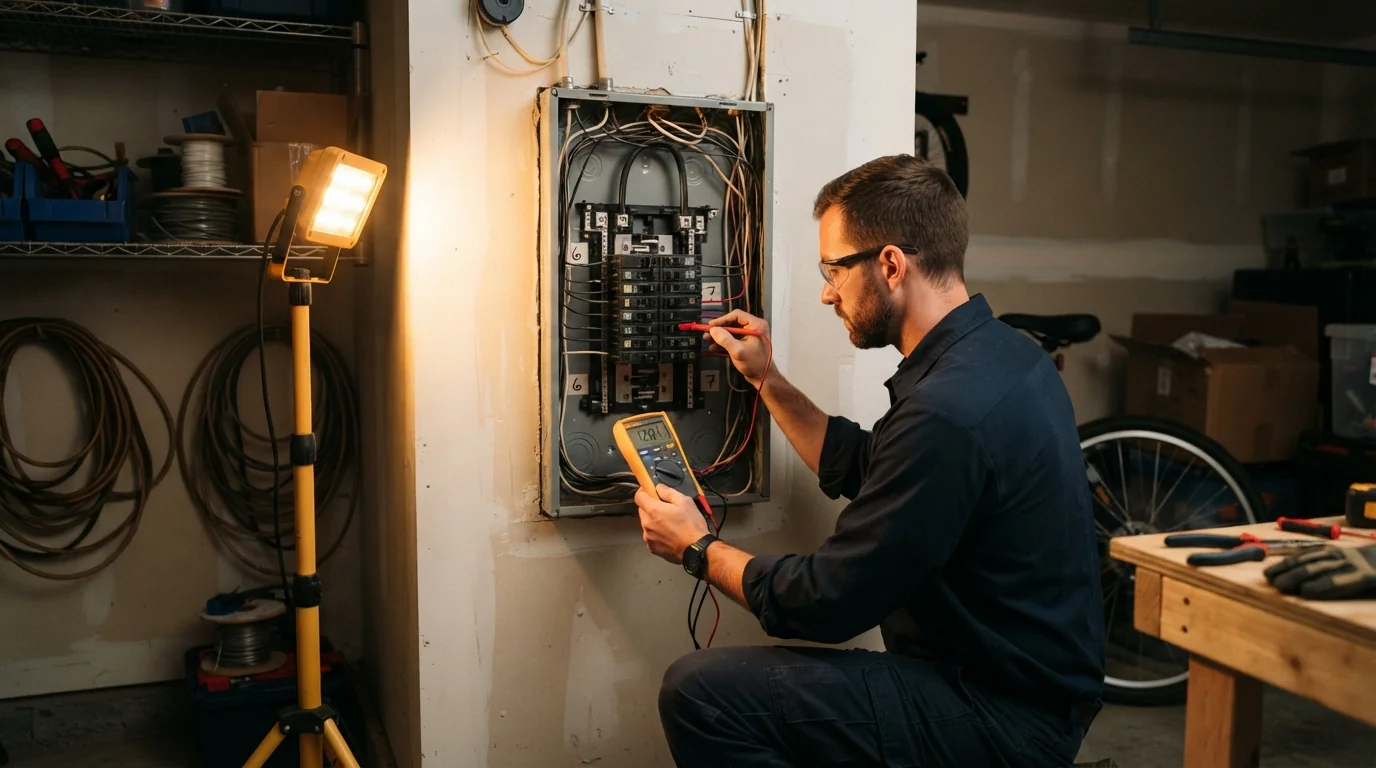
Knob and tube replacement in Oklahoma City means retiring the original porcelain-knob wiring found in many pre-1940s homes and replacing it with modern grounded circuits, usually as part of a partial or full rewire. We trace which circuits are still live, fish new cable through attics and walls with small openings, disconnect and abandon or remove the old runs, and coordinate with insurers and, in historic districts, with any exterior work that needs review.
Why knob and tube has to go now
What knob and tube replacement involves
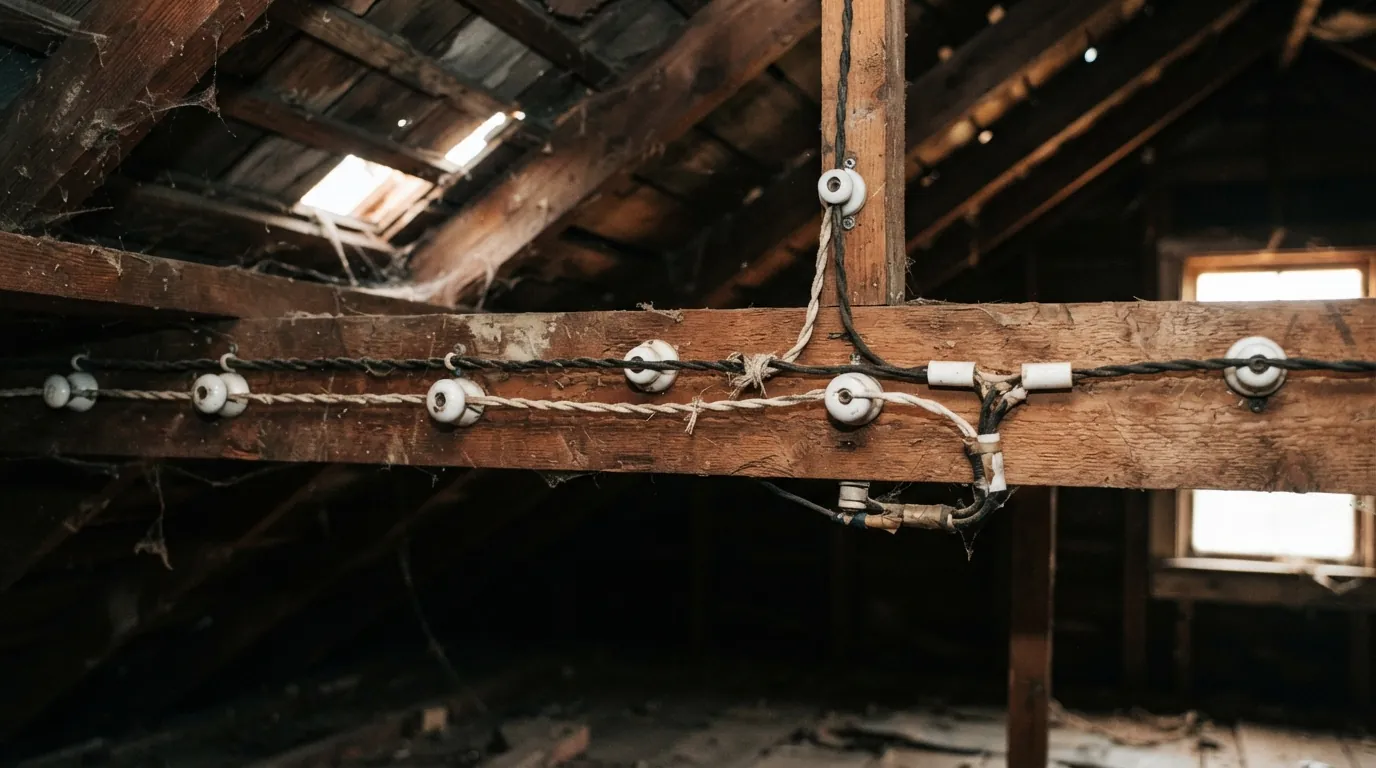
Knob and tube wiring runs single conductors through porcelain tubes in the framing and along porcelain knobs across the joists, with the hot and neutral separated in air to shed heat. It has no equipment ground, the cloth and rubber insulation becomes brittle with age, and it was designed to be left open to the air, not buried under blown insulation. Decades of later owners have also spliced new circuits into it in ways it was never meant to carry.
Most homes we see still have some knob and tube active even after partial updates, often feeding upstairs bedrooms or ceiling lights. We trace every live run first, because insurers and buyers usually care about whether any remains energized. Then we replace those circuits with modern grounded cable, disconnect the old runs at both ends, and remove what we can reach, leaving the rest dead and documented.
Choosing between the options
Remove, abandon or rewire around it
| Approach | When it fits | Trade-off |
|---|---|---|
| Replace live circuits, abandon the rest | Most homes | Old runs stay in walls, dead and documented |
| Remove everything reachable | Open attics and crawlspaces | More labor, cleaner result |
| Full rewire with new panel | Most of the house is still on knob and tube | Largest project |
| Leave it and monitor | Not recommended | Insurance and safety risk remains |
What moves the price
What sets the price of knob and tube replacement
- How much is still live A few circuits cost far less than a whole house.
- Access Open attics and crawlspaces make fishing cable faster.
- Plaster walls Careful openings and patching take more time than drywall.
- Panel replacement Often part of the same project.
- Insulation timing Coordinating with an insulation contractor.
- Fixtures kept Rewiring original fixtures takes extra care.
- Permit and inspection Required for the rewire.
2026 cost guides put a whole-house rewire at roughly $4 to $15 per square foot, or about $4,000 to $15,000 for a 1,500 to 2,500 square foot home. Knob and tube replacement usually sits within that range. National planning figures, not our price.
Sub-jobs this page covers
Attics, insulation and historic homes
Attic and wall removal
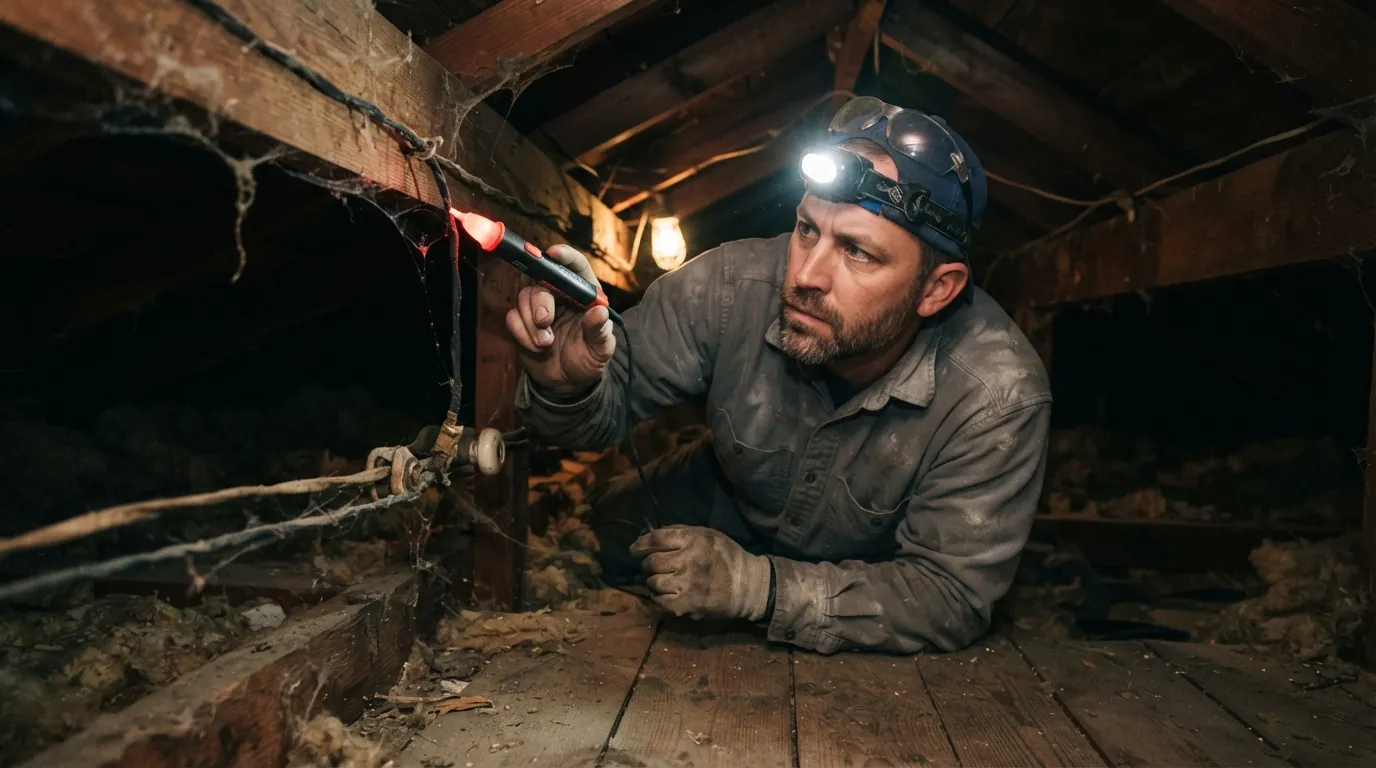
Most of the replacement happens from the attic and the crawlspace. New cable is run to each box through the top or bottom plates, and fished down or up inside the wall with small openings where a fire block or a header gets in the way. Old knob and tube in the attic is removed where it is exposed and safe to pull; runs buried inside finished walls are disconnected at both ends and left dead, which is the accepted practice. Every abandoned run is recorded so no one reconnects it later.
Insulation clearance
Knob and tube relies on open air to stay cool, so covering it with insulation is a problem, and many insulation contractors will not blow insulation over it at all. That is often how the replacement starts: an energy upgrade that cannot proceed until the old wiring is retired. We replace the live circuits first, confirm the attic is clear of energized knob and tube, and give the insulation contractor a written note so the upgrade can go ahead without leaving a hazard buried under the cellulose.
Historic district coordination
In historic homes the goal is to modernize the wiring without scarring original plaster, trim and exterior features. We route new cable through closets, attics and basements wherever possible, use small openings that patch cleanly, and keep original fixtures where they can be rewired safely. Interior wiring work is not usually what historic review covers, but anything that changes the exterior, such as a new meter location or exterior fixtures, may need a look from the review commission first, and we plan for that up front.
Oklahoma City conditions
Knob and tube in Oklahoma City historic districts
Oklahoma City has several historic preservation districts built in the early twentieth century, including Heritage Hills, Crown Heights and Putnam Heights, where exterior changes go through Historic Preservation Commission review. Those neighborhoods are exactly where knob and tube still turns up behind later plaster and drywall. We plan the rewire to stay inside the house wherever we can, and if a new meter or service entrance location would change a facade, we raise it early so the review does not hold up the electrical work.
Warning signs
Signs you have knob and tube wiring
- Porcelain knobs across attic joistsThe clearest sign.
- Porcelain tubes through framingVisible in basements and attics.
- Two-prong outlets throughoutCommon in homes that still have it.
- Cloth-covered wires in boxesOlder insulation, often brittle.
- Insurer questions about wiring ageOften triggered by the build year.
- Lights that flicker upstairsLoose or overloaded old splices.
- Insulation contractor refused the jobThey found live knob and tube.
Step by step
From tracing live runs to the final inspection
- Trace live runs
Every energized knob and tube circuit found and mapped.
- Plan the new circuits
Grounded circuits routed through attic, crawlspace and closets.
- Rough-in and inspect
New cable fished with small openings, rough inspection.
- Disconnect the old runs
Removed where reachable, dead-ended and documented elsewhere.
- Trim, patch and document
Devices, fixtures, patching and a written summary for insurers.
Questions we get about this job
Knob and tube questions
It is old, ungrounded and often damaged or overloaded. Buried under insulation it can overheat. Replacement is the standard advice.
Many will not, or will only with conditions. A documented replacement usually settles it.
No. Live circuits are replaced; old runs inside walls are disconnected and left dead.
Most insulation contractors will not insulate over live knob and tube. Replace first.
We use small openings and patch them. Plaster takes more care than drywall.
Often, rewired with new cable and a ground where possible.
Yes. It is permitted and inspected.
Same category
More wiring and safety work
Kitchen & Bath Remodel Wiring
Kitchen circuit layout and more.
Kitchen detailsDoorbell & Low-Voltage Wiring
Video doorbell transformer and more.
See DoorbellDetached Garage & Shop Wiring
Feeder to the outbuilding and more.
How we handle Detached GarageSmoke & CO Detector Installation
Hardwired interconnected alarms and more.
SmokeFound knob and tube in the attic?
Call to book a walk-through. We trace what is live, plan the replacement around your plaster and document it for your insurer.