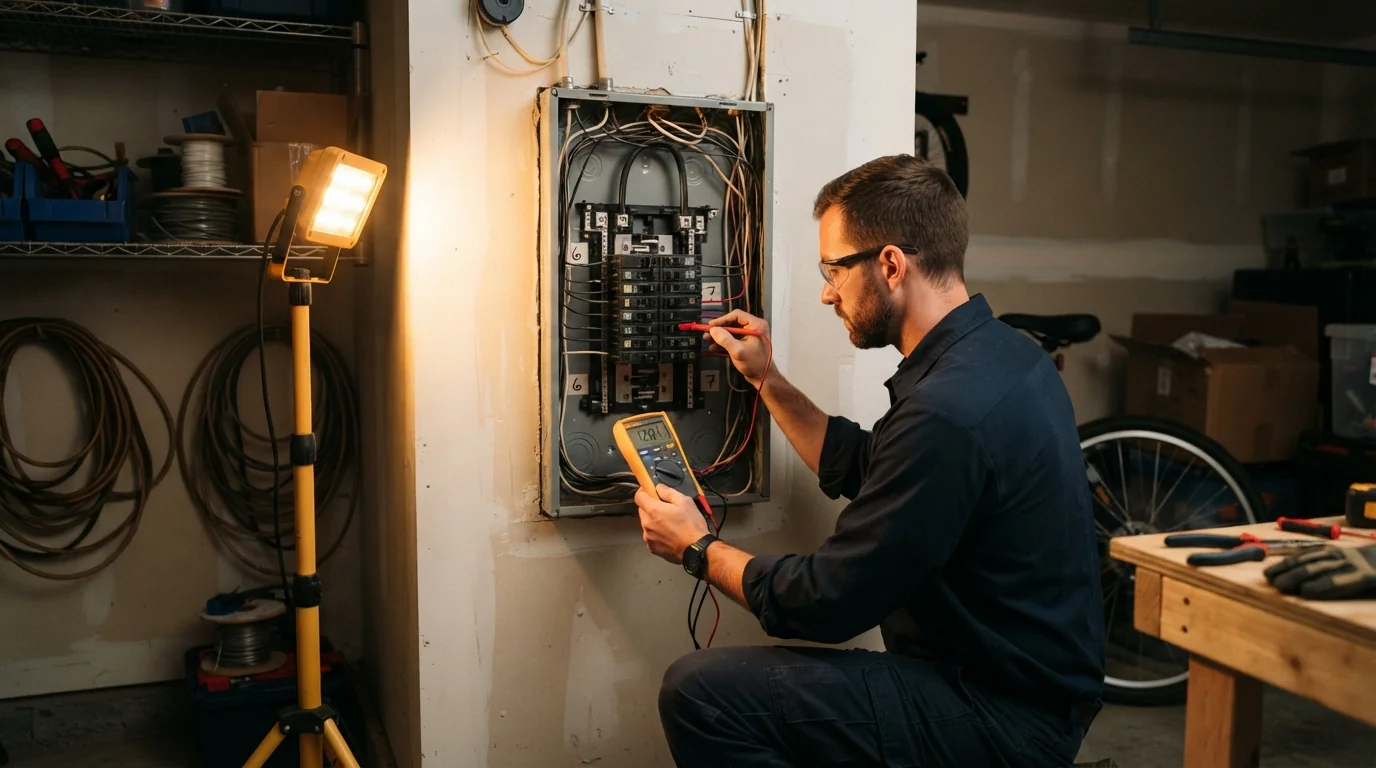
Updated October 2026
By Sheldon Talbot, Electrical Guides Editor. Updated October 2026
Quick answer
The main aluminum wiring repair options are COPALUM crimp connectors, which the CPSC recognizes as a complete repair; AlumiConn set-screw connectors, a widely used listed alternative; CO/ALR switches and outlets, which address only the device terminals; and a partial or full rewire. For most Oklahoma City homes built or expanded between 1965 and 1973, pigtailing every connection with COPALUM or AlumiConn is the practical answer.
Why aluminum wiring needs attention
Single-strand aluminum branch wiring was installed in roughly two million US homes built or expanded between 1965 and 1973, when copper prices spiked. Aluminum expands and contracts more than copper and oxidizes at the surface, so connections at outlets, switches, fixtures and splices can loosen and overheat over the years. CPSC-funded research found pre-1972 aluminum-wired homes far more likely to have a connection reach fire-hazard conditions than copper-wired homes.
Because the risk sits at every connection, a repair that treats only some of them leaves the rest. That is the key question to ask of any option.
Option one: COPALUM crimps
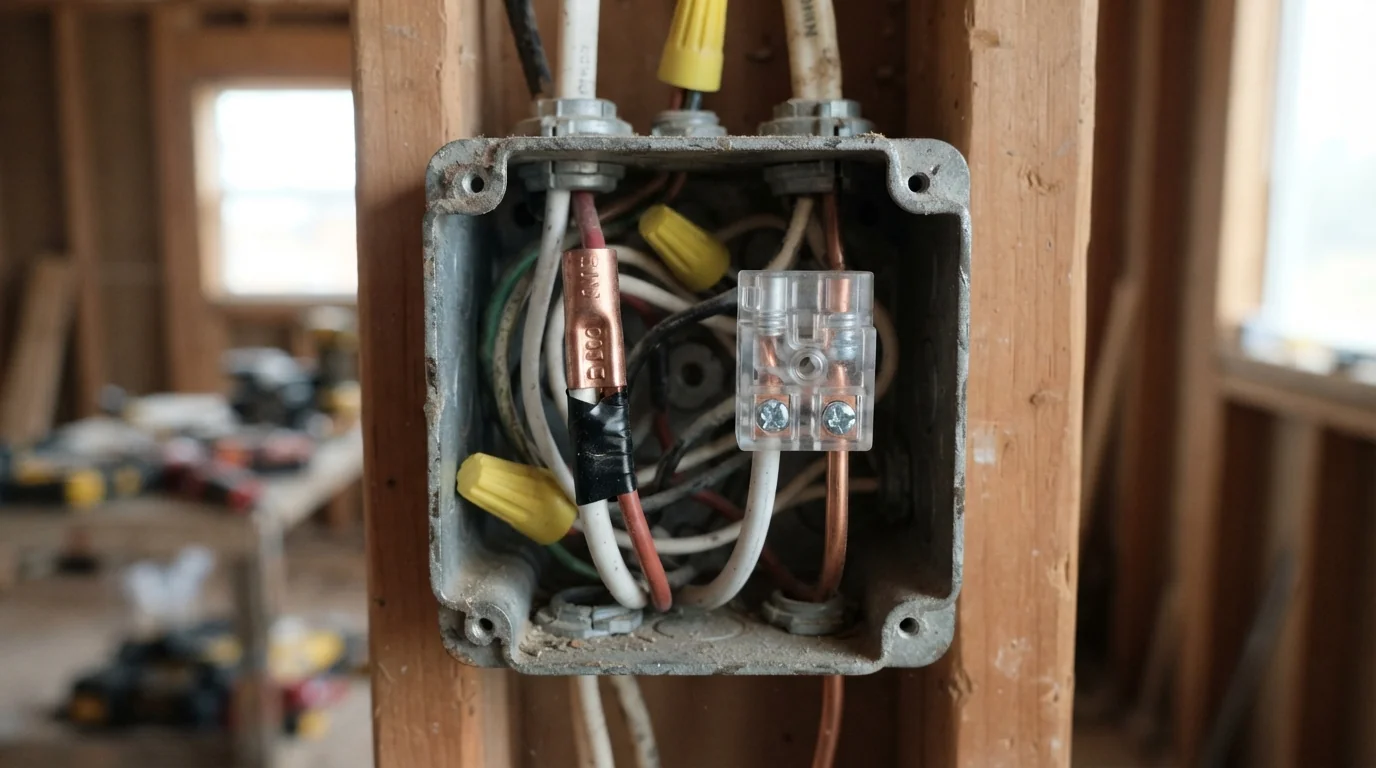
COPALUM joins a short copper pigtail to each aluminum wire with a sleeve crimped by a powered tool, creating a cold-weld connection that does not loosen. The CPSC has long recognized it as a complete, permanent repair. The device is then connected on copper, which suits standard switches and outlets.
The catch is availability: the tooling is specialized and only electricians trained on it can do the work. Where it is available, it is the strongest repair short of removing the aluminum entirely.
Option two: AlumiConn connectors
AlumiConn is a listed lug-style connector with separate ports for aluminum and copper, set screws and an anti-oxidation compound. Each aluminum wire is pigtailed to copper, the screws are torqued to specification, and the device is connected on copper.
It needs no special crimp tool, which makes it widely available, and it is a sound repair when installed with the correct torque at every connection. Box fill matters, since each pigtail adds bulk, and crowded boxes may need replacing with deeper ones.
Option three: CO/ALR devices
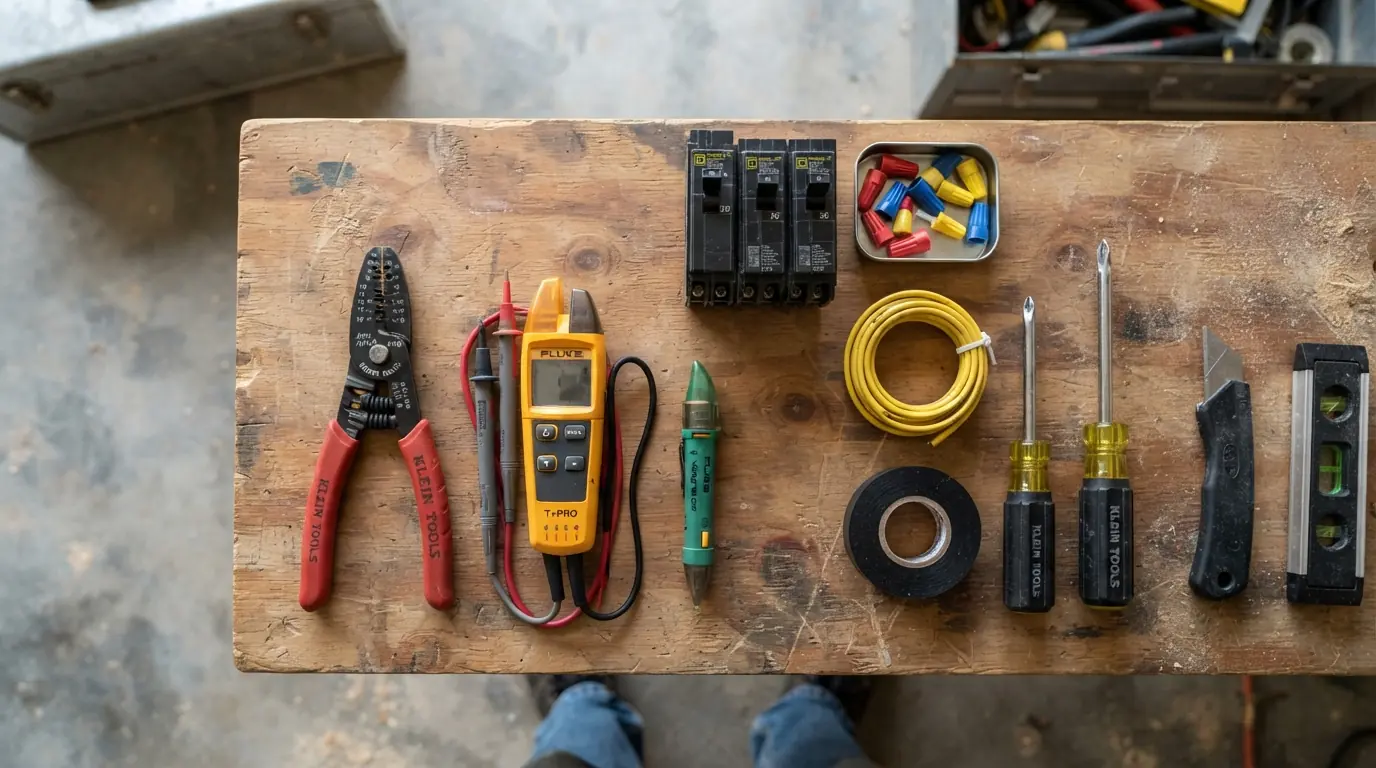
CO/ALR switches and outlets are rated for direct connection to aluminum wire. Replacing old devices with CO/ALR ones improves those terminals, but it leaves splices, light fixtures and appliance connections untouched, and CO/ALR versions are not made for every device type.
On its own, it is a partial measure. It can be part of a plan, for example in places where a pigtail will not fit, but it should not be the whole plan.
Option four: rewire
A partial or full rewire removes the aluminum branch circuits and replaces them with copper. It is the most complete answer and the most expensive; national 2026 guides put whole-house rewiring at about $4 to $15 per square foot. It makes the most sense when the house has other wiring problems, or when a remodel is opening the walls anyway.
Aluminum wiring in the house?
Call to book a walk-through. We confirm it, count the connections and explain the options for your house.
How to choose
For most homes, pigtailing every connection with COPALUM or AlumiConn gives a complete, documented repair at a fraction of a rewire. Choose a rewire if the walls are open, the panel is also being replaced, or the house has other problems. Avoid options that treat only some connections, and ask for a connection count and photos so the repair can be shown to an insurer or buyer.
How to confirm you have aluminum wiring
Do not open the panel to check. Instead, look at exposed cable in the attic, garage or basement: aluminum branch cable is usually printed with "AL" or "ALUMINUM" on the outer jacket. Homes built or added onto between 1965 and 1973 are the ones to check first.
An electrician can confirm it at a few outlets and in the panel safely, count the affected circuits, and tell you whether the whole house or only an addition is involved. That count drives the cost of every repair option.
Aluminum service cable is a different story
Large stranded aluminum conductors are common and accepted for service entrance cables, feeders to subpanels, and some range and dryer circuits. Installed with rated lugs and the right preparation, they are not the concern this guide is about.
The concern is single-strand aluminum in the small branch circuits that feed outlets, switches and lights, where connections at devices can loosen and overheat. Knowing the difference keeps you from paying to replace cable that is doing its job.
Insurance, inspections and paperwork
Some insurers ask about aluminum branch wiring when a policy is written, and home inspectors routinely note it. A documented repair, listing each connection method used and the circuits covered, answers both.
Keep that record with your house papers. When you sell, a buyer's inspector who finds aluminum wiring and a paper trail of a recognized repair has far less to flag than one who finds aluminum and no history.
Warning signs not to ignore
Warm cover plates, flickering lights, outlets that stop working, a burning plastic smell or discolored devices in an aluminum-wired house all mean a connection is failing now. Switch off the circuit if you can and call rather than waiting for a planned repair.
Related services
Where this guide leads
Aluminum Wiring Repair
COPALUM crimp remediation.
Aluminum Wiring Repair detailsWhole-House Rewiring
Full rewire with new panel.
Whole-House Rewiring detailsElectrical Safety Inspection
Pre-purchase inspection.
Electrical Safety Inspection detailsQuestions
Quick questions on this topic
The wire carries current fine; the connections can overheat. Repairing every connection addresses the risk.
COPALUM crimps where available, or AlumiConn connectors at every connection. A rewire is the most complete option.
No. They treat device terminals only and leave splices and fixtures untouched.
On the cable jackets in the attic or at the panel, marked ALUMINUM or AL.
Many do with documentation. Ask for photos and a connection count.
Keep reading
More guides from the same desk
Breaker keeps tripping
Breaker keeps tripping in your Oklahoma City home?
Read the guideElectrical permits in Oklahoma City
Which electrical jobs need a permit in Oklahoma City, who pulls it, what inspections involve, how suburbs differ, and what to do about unpermitted work.
Read the guideWhat a panel upgrade costs
How much does a 200 amp panel upgrade cost in Oklahoma City?
Read the guide